The Legend of the Loch Ness Monster for Kids
Meet Nessie, explore a mysterious Scottish lake and learn how detectives test evidence.
Far away in the Scottish Highlands lies a long, deep lake called Loch Ness. Mist sometimes curls across its surface. Waves ripple against the shore. And according to one of the world's best-known legends, a mysterious creature named Nessie might be swimming beneath the water. Does a photograph prove a monster is there? Let's put on our detective hats and find out.
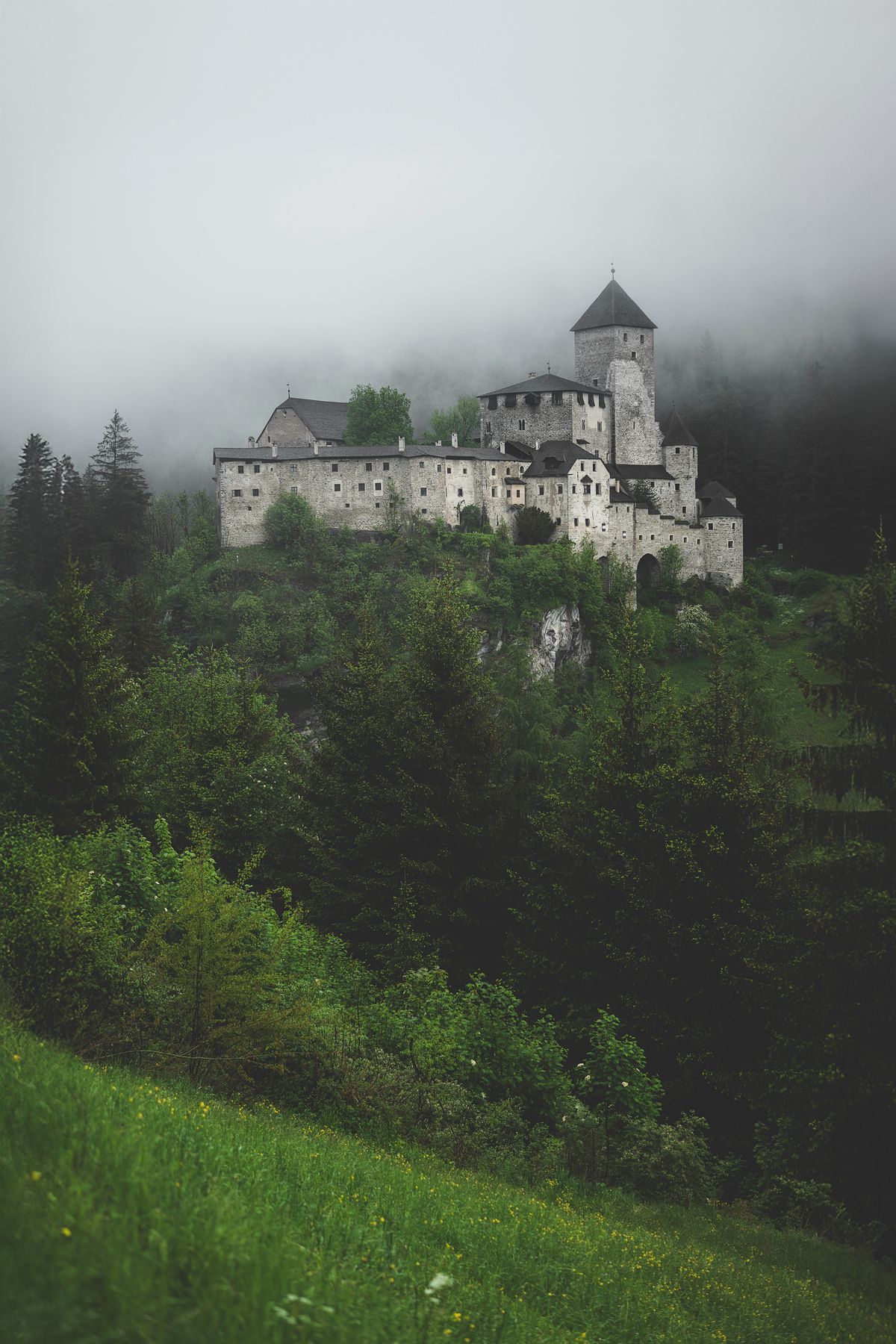
A lake made for mysterious stories Loch Ness is a real freshwater lake in Scotland. Its dark water, deep places, and dramatic surrounding hills make it a wonderful setting for an adventure. People have connected strange creatures with Scottish waters for a long time. Stories about the modern Loch Ness Monster became especially famous in the 1930s, when newspapers reported sightings and curious readers began following the mystery.
A legend becomes powerful when many people want to retell it. Some imagine a long neck lifting out of the water. Others describe mysterious humps, waves, or splashes. Those reports can be interesting without proving that an unknown animal lives in the loch. A mysterious shape seen from far away may look quite different up close.
The famous photograph that fooled people In 1934, a photograph appeared to show a small head and long neck rising above the water. Many people thought they were looking at Nessie. The picture became known as the surgeon's photograph. Years later, it was revealed to be a hoax: someone had made a tiny model and photographed it in a way that created a surprising illusion.
This is a helpful lesson for young investigators. A picture can be a real photograph while the scene inside it is misleading. Cropping, unusual camera angles, models, and mistaken guesses can fool viewers. Scientists and historians do not decide a question based on one exciting picture; they compare many types of evidence. A great detective asks where a photo came from and whether someone else can check it.
What does science say? Researchers have studied Loch Ness with boats, sonar, cameras, and other tools. There is no convincing scientific evidence that a giant unknown monster lives there. Scientists may examine an unusual image or a strange ripple, but they also consider ordinary explanations such as waves, logs, boats, and known animals.
Science works by asking questions and checking ideas. If someone says, 'I saw a huge creature,' a careful investigator asks where, when, how far away, and what other evidence was recorded. Being curious does not mean believing everything; it means being willing to investigate. Sometimes the most exciting discovery is how an illusion was made.
Why we still love Nessie The fact that a famous photo was a trick does not make the story uninteresting. Nessie inspires books, drawings, visits to Scotland, and all kinds of imaginative monsters. In the Felipe Femur universe, Lochness brings playful mystery to our world. The character does not need to be a scientific discovery to be fun.
You can enjoy a legend and still be a thoughtful detective. When you hear a new monster story, try sorting the details into three boxes: what someone says, what can be checked, and what has been imagined. That is a great skill for solving mysteries both spooky and ordinary. A good mystery teaches us to ask smart questions, not just to look for dramatic answers.
YOUR TURN
Think about it
- What and where is Loch Ness?
- What was misleading about the 1934 photograph?
- What would you check before believing a mysterious picture?
Sources and further reading
Historical and science details are adapted for younger readers from these references. The Toonstone characters and imaginative examples are fictional.