Where Did Vampires Come From? A Kid-Friendly History
From old nighttime legends to Count Dracula, discover how vampires became Halloween stars.
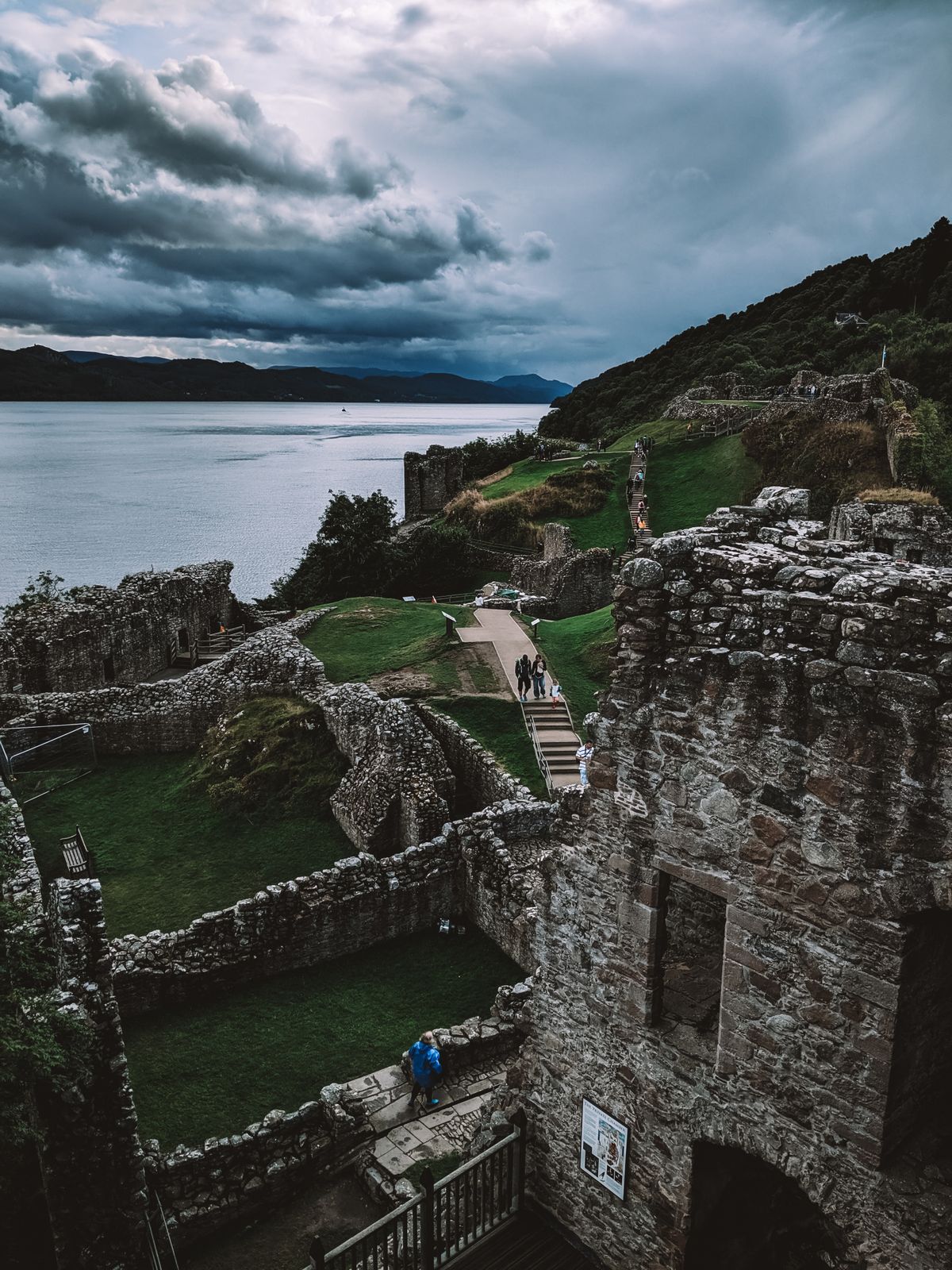
Imagine seeing two glowing eyes in a castle window. Is that a vampire, a reflection, or Sunny looking for his sunglasses? Vampire stories have been told in many places for hundreds of years. The surprising part is that the vampires in old legends did not always look like the cape-wearing characters we dress up as today. To find out why, we have to open a few old storybooks.
People imagined many kinds of vampires Long before Count Dracula appeared in a book, communities in parts of Europe shared tales about strange creatures that returned after death. People told these stories when they were trying to explain sickness, bad luck, and other frightening things they did not yet understand. The details changed from village to village. Some legends described a spirit, while others described a body that supposedly left its grave at night. These were beliefs and stories, not evidence that vampires were real.
You might notice that the word vampire is often linked with eastern European folklore. That is one important part of the history, but there is no single moment when someone invented every vampire story. Legends changed each time somebody retold them, just like a game of telephone—except this telephone had more bats and moonlight.
How did vampires become well-dressed? During the 1800s, writers began putting vampires into popular fiction. Instead of appearing only in village warnings, vampires started turning up in books and plays, sometimes acting like mysterious visitors from grand houses. Two earlier vampire stories that helped shape the genre were John Polidori's The Vampyre (1819) and Sheridan Le Fanu's Carmilla (1872). They came before the most famous vampire novel.
In 1897, Irish author Bram Stoker published Dracula. His Count Dracula lives in a gloomy castle and has an unusually long list of supernatural talents. The novel did not invent vampires, but it helped bring together many familiar details. Later movies and cartoons added even more: sweeping capes, carefully combed hair, dramatic entrances, and the sort of accent you might hear someone using for fun on Halloween.
What about the bats and the sunlight? Real bats are mammals. They eat insects, fruit, nectar, or other food depending on the species, and they do not change into people. Yet the idea of a vampire turning into a bat is now so familiar that a Halloween costume hardly seems complete without one. Bram Stoker's Dracula helped popularize that connection. Real vampire bats do exist in parts of the Americas, but their biology is completely different from fictional movie monsters.
Different books also give vampires different rules. In some stories they dislike garlic, avoid mirrors, or have to stay away from sunlight. These are fictional story rules, not a scientific checklist. Authors choose them because a character with a weakness makes a more interesting mystery. A writer can even invent a completely new weakness, such as a vampire who absolutely cannot stand the sound of squeaky shoes.
Meet Sunny, our not-so-scary vampire In Toonstone, Sunny shows us that an old monster idea can become a completely new character. He has his own clothes, personality, and sense of humor. That is what storytelling does: it borrows an idea and turns it in a fresh direction. One storyteller imagines a terrifying castle visitor; another imagines a playful vampire who would rather hang out with friends.
Next time you see a vampire in a book, ask yourself which details came from older folklore and which were invented for that particular story. You are doing what a historian does: comparing sources instead of assuming every retelling says the same thing. A wonderful monster doesn't need to be real to have a history worth exploring.
YOUR TURN
Think about it
- Did Bram Stoker invent the first vampire story?
- Name a feature modern vampires have that older ones might not.
- How could you give an old monster a brand-new personality?
Sources and further reading
Historical and science details are adapted for younger readers from these references. The Toonstone characters and imaginative examples are fictional.