Why Are Skeletons Spooky? The Secret Life of Bones
Felipe reveals why bones are much more than clattering Halloween decorations.
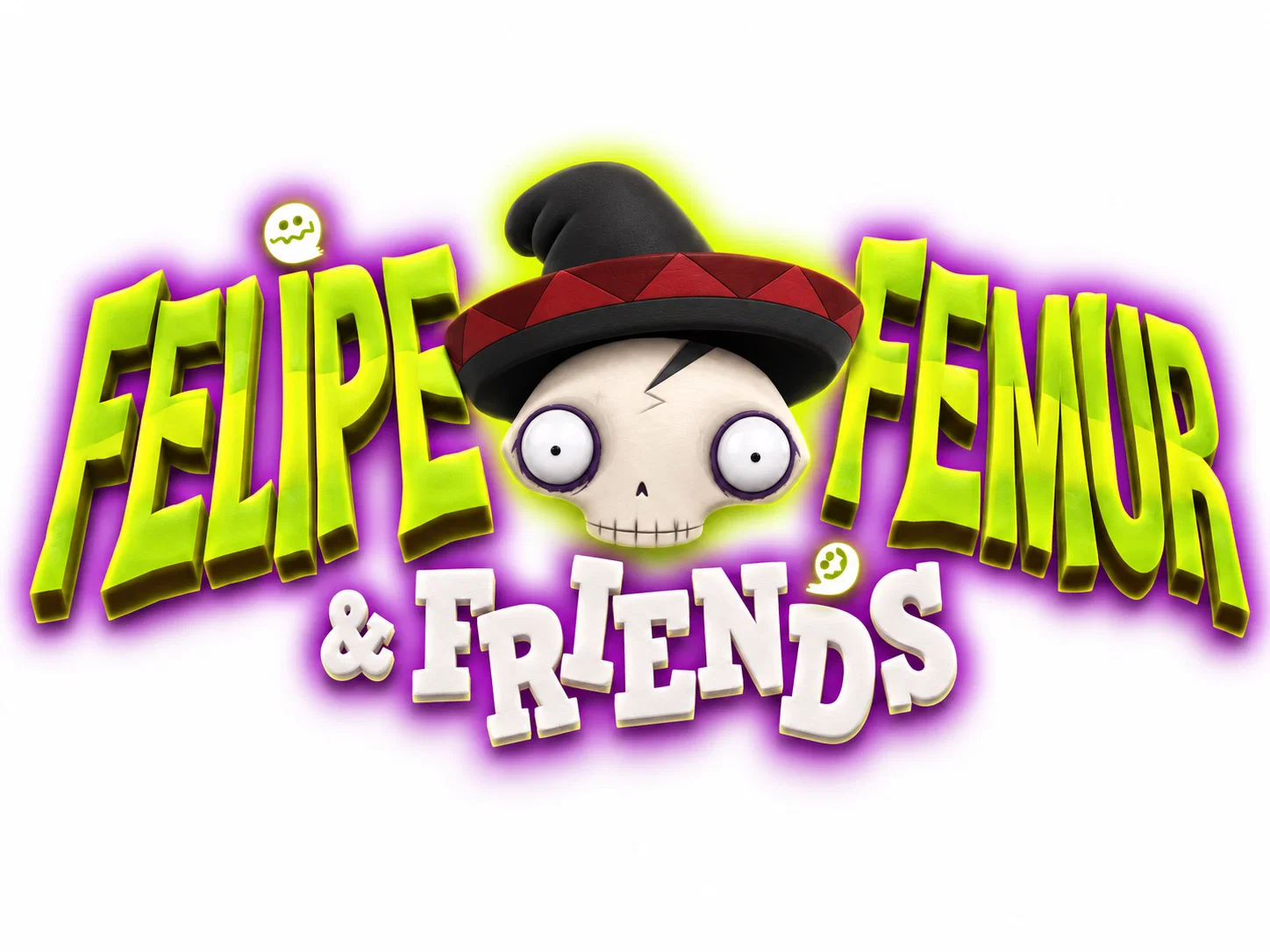
Rattle, rattle! Felipe Femur has arrived, but should a skeleton really be scary? Bones appear in ghost stories, graveyard decorations, and pirate flags. They also happen to be an important part of your own body. In fact, your skeleton is quietly helping you read this sentence right now. Let's discover why bones became a spooky symbol—and why they deserve some applause, too.
Why skeletons appear in old stories and art For centuries, artists and storytellers have used bones to remind people that life changes and time passes. A skull is easy to recognize, so it became a symbol in paintings, warning signs, and stories. On Halloween, rattling skeleton props and friendly cartoon skulls borrow that old idea and turn it into a playful decoration. One picture might be solemn and serious; another might show a skeleton tap-dancing at a party.
Different cultures also have their own ways of remembering people who have died. For example, Mexican Día de los Muertos traditions include artistic skeleton imagery and meaningful family remembrance. Those traditions have their own history and should not simply be treated as interchangeable with Halloween decorations. Learning about a symbol also means understanding the people who use it.
Your bones are working hard A skeleton is not just a dry stack of white sticks. Bones are living tissue that can grow, repair themselves, and store important minerals. Most adults have about 206 bones, although the exact number can vary. Babies have more separate bones and pieces that gradually join together as they develop.
Your skull helps protect your brain. Your rib cage helps protect your heart and lungs. The bones of your legs hold you up when you run, jump, or do a very dramatic monster dance. Deep inside many bones, bone marrow helps produce blood cells. If you ever thought bones were boring, that is a pretty amazing list of jobs. Your spine is made of smaller bones that provide support while letting you bend and turn.
How does a skeleton move? In a Halloween cartoon, a skeleton sometimes walks by itself and clicks its knees with a funny sound. In real life, bones move because muscles pull on them. Tendons connect many muscles to bones, and joints are places where bones meet. Together, these structures let you wave, wiggle your toes, or reach for a book.
Think of the elbow like the hinge of a door. The bones provide support, and the muscles help move the joint. Your skeleton cannot tap-dance on its own. Felipe is a fictional exception, of course, because Toonstone has its own silly rules. He can make a skeleton dance in a way real bones never could.
The funny side of a frightening shape Something unfamiliar may seem scary until we learn more about it. A dark silhouette in a hallway could be a spooky visitor—or an old coat hanging on a hook. In the same way, a skull in a story may signal danger, while a skeleton in a classroom helps us understand ourselves.
Felipe is kind, curious, and adventurous. He shows us that appearance does not tell the whole story about a character. That lesson applies to stories and to people: learn more before deciding what someone is like. It is also a great reason to celebrate skeletons with silly music and not-so-scary Halloween fun. The next time you see a plastic skeleton, remember the incredible work your real bones do every day.
YOUR TURN
Think about it
- What are two jobs your bones perform?
- Why can’t a real skeleton walk by itself?
- Why might one picture of a skull seem scary and another funny?
Sources and further reading
Historical and science details are adapted for younger readers from these references. The Toonstone characters and imaginative examples are fictional.